

by
Share
by
Share

A missed delivery can hold up far more than one item. It can delay a site opening, leave an engineer without a critical part, interrupt an office move, or keep a customer waiting for stock they need that day. A dedicated business courier service gives organisations direct control over urgent and valuable consignments, with a vehicle and driver assigned specifically to their job.
For businesses that cannot afford uncertainty, this is not simply a faster way to move goods. It is a practical way to protect schedules, equipment and customer confidence. The right courier partner provides clear communication, careful handling and a reliable collection-to-delivery process, so your team can stay focused on the work that matters.
What makes a courier service dedicated?
A dedicated service means your consignment travels in a vehicle reserved for your collection and delivery. Unlike a multi-drop route, where parcels may be loaded, unloaded and sorted alongside other deliveries, the driver follows the agreed journey for your goods.
That direct approach reduces handovers and gives you a clearer understanding of where your consignment is throughout its journey. It is especially useful for time-sensitive documents, fragile equipment, replacement stock, exhibition materials, IT hardware and items needed to keep a project moving.
A dedicated vehicle is not always the cheapest option for a small, non-urgent parcel. Standard delivery networks have a place when timing is flexible and the item is easy to replace. However, the cost calculation changes quickly when a delay would mean staff standing idle, a postponed installation or a dissatisfied client.
When a dedicated business courier service is the right choice
The strongest reason to book direct transport is urgency. If a component is needed before a shift begins, a legal document must arrive the same day, or stock has to reach a customer at an agreed time, a dedicated courier removes much of the uncertainty created by shared delivery networks.
It is also a sensible option when the item has a high operational value. This does not always mean it is expensive. A modestly priced cable, key, access device or fitting can be vital if it is the one item preventing a job from being completed. The value lies in what the item enables your business to do.
Commercial relocations are another common example. During an office move, teams may need monitors, files, point-of-sale equipment or replacement furniture transported separately from the main removal load. A dedicated courier run can move those essentials at the right point in the programme, helping staff get back to work sooner.
For industrial and facilities teams, direct transport can support planned maintenance and emergency call-outs. Sending a required part straight to a site is often more efficient than asking an engineer to collect it, particularly when locations are far apart or site access needs to be coordinated in advance.
Protecting the items that keep your business running
Reliable courier work begins before the vehicle leaves. The collection team needs accurate information about the item, its dimensions, weight, condition, collection point and delivery requirements. This allows the right vehicle, handling equipment and protection to be arranged from the outset.
For sensitive goods, careful packing and secure loading matter as much as speed. IT equipment, office furniture, display materials and specialist tools should be protected against movement in transit. A modern, safety-equipped fleet and trained professionals help reduce the risk of damage, particularly where access involves stairs, loading bays or busy commercial premises.
Insurance cover should also be clear. Ask what protection applies during transit, whether any items need to be declared in advance, and what evidence is required if damage is found. A dependable provider will explain this in plain language rather than leaving you to interpret vague terms after collection.
Delivery proof is equally valuable. For many organisations, it is not enough to know that a driver has arrived. They need confirmation that the correct item was received by the right person, at the agreed location and within the required time window. This creates a useful record for customers, suppliers and internal teams.
Direct delivery helps reduce disruption
Business logistics often involves more than moving an item from A to B. The collection may need to happen outside normal hours, the receiving site may have a strict booking system, or the delivery must be timed around a building handover. A courier service that understands operational pressure can plan around those details rather than treating them as an afterthought.
Flexible evening and weekend availability can be particularly useful during office relocations and refurbishment work. Moving equipment when fewer people are on site can reduce disruption, avoid congested loading areas and give facilities managers more control over access. It can also prevent urgent items being lost among the larger flow of furniture, boxes and equipment involved in a move.
Clear communication makes this easier. Your courier provider should confirm collection arrangements, flag any access issues promptly and keep you informed if conditions on the road affect the planned arrival time. Punctuality matters, but honest updates matter too. They allow your team to make practical decisions before a small delay becomes a larger problem.
Choosing a courier partner for business-critical work
The best courier service is not necessarily the one offering the lowest initial quote. A low price can become expensive if it comes with vague collection windows, unclear insurance or poor communication. For urgent or high-value work, look at the full service behind the price.
A capable provider should be able to explain the vehicle proposed for your consignment, the expected collection and delivery timing, and how the goods will be secured. They should also be upfront about any factors that may affect the quote, such as long-distance travel, waiting time, difficult access, extra handling or out-of-hours work. Transparent pricing means knowing what is included before the job begins, with no hidden charges.
It is worth asking how the provider handles unusual requirements. Can they coordinate with a building manager? Can they collect from a storage facility? Can they move a fragile item alongside an office removal? Can they arrange a return journey for equipment that needs to come back after an event or installation? These details reveal whether you are dealing with a hands-on logistics partner or a basic transport booking service.
For repeat requirements, consistency becomes even more valuable. A provider that understands your sites, preferred collection procedures and delivery contacts can respond faster and reduce the admin burden on your team. Packpoint Logistics supports tailored transport requirements alongside commercial removals, storage and relocation work, making it easier to coordinate connected jobs through one professional team.
Getting your consignment ready for collection
Good preparation gives a dedicated courier the best chance of meeting the agreed schedule. Provide the full collection and delivery addresses, named contacts, mobile numbers and any gate codes or loading instructions. If there are time restrictions, explain whether the delivery must arrive by a fixed deadline or simply within a preferred window.
Make sure the item is ready to load when the driver arrives. Where possible, pack it securely, label it clearly and identify any fragile parts or boxes that must remain upright. If the goods are unusually heavy, awkward, confidential or valuable, mention this when requesting a quote. It is better to arrange the correct vehicle and handling support than to discover a problem at collection.
Finally, tell the receiving contact what to expect. They should know the delivery time, where the driver needs to go and whether they need to inspect or sign for the item. A few minutes of coordination can prevent avoidable waiting time at the final stage.
When a delivery is tied to a deadline, a customer commitment or the next step of a business move, direct transport provides reassurance that shared networks cannot always offer. Give your courier partner accurate information early, and they can build a collection and delivery plan that keeps your operation moving with care and control.
STAY IN THE LOOP
Subscribe to our free newsletter.
Leave A Comment

Our guide to temporary storage solutions helps you protect belongings, choose the right space and plan a smooth home move with no unnecessary stress too.

Professional furniture assembly keeps your move on schedule, protects new pieces from damage and gives your home or workplace a safe, usable finish today.
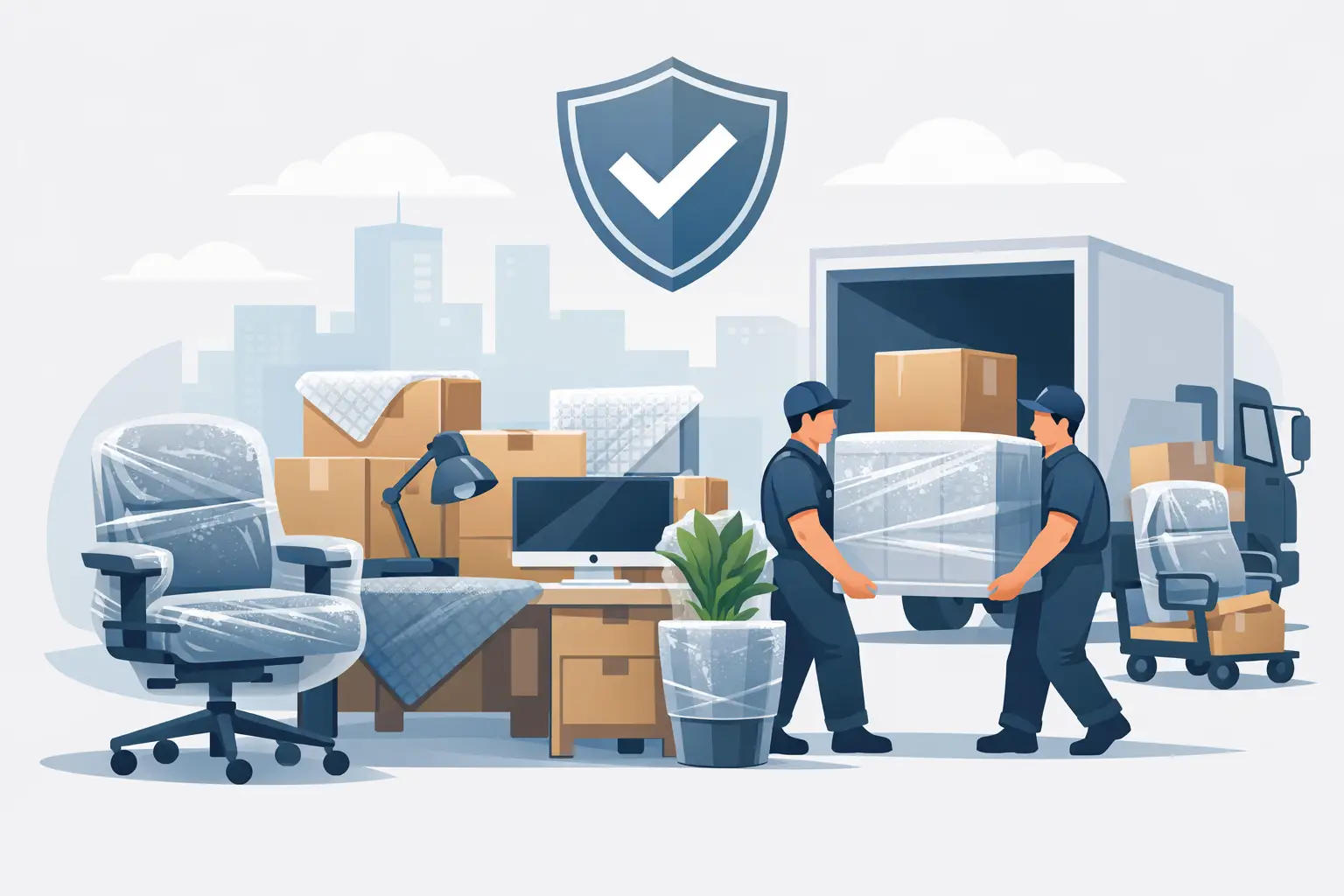
Office furniture protection reduces costly damage and downtime. Learn how careful packing, planning and trained movers keep workplace assets safe.

Our guide to fragile item transport explains how to pack glass, artwork and electronics safely for a protected, well-planned home move across the UK today.