

by
Share
by
Share

A champagne flute wrapped in a tea towel may look protected until it meets the corner of a moving box. Fragile belongings are rarely damaged by one dramatic event. More often, they move inside loosely packed cartons, are stacked under heavier items or receive a knock while being carried through a doorway. This guide to fragile item transport focuses on the practical decisions that protect the things you cannot easily replace.
For a home move, careful preparation makes the greatest difference. For an office relocation, the same principles apply to monitors, IT equipment, framed documents and specialist stock. The aim is simple: reduce movement, absorb impact and make sure every item is handled by people who know what is inside.
Start by deciding what needs specialist handling
Not every breakable item requires the same packing method. Everyday crockery can usually travel safely in correctly sized cartons with proper cushioning. A large mirror, an antique cabinet, a piano, original artwork or delicate laboratory equipment may need custom protection, a dedicated vehicle position or a specialist handling plan.
Walk through each room before packing and separate fragile possessions into groups. Glassware, ceramics, pictures and electronics each have different weak points. Glass is vulnerable at its edges, plates can crack under direct pressure, screens can be punctured, and electronics can be damaged by impact or moisture even where there is no visible breakage.
This first check also helps you make a sensible choice about what to move yourself and what to include in a professional removal service. An item with high financial or sentimental value is often worth declaring in advance, so the team can allocate the right materials, vehicle space and handling time.
Use the right packing materials, not just more material
Good fragile-item packing is about fit as much as quantity. A large box filled with loose bubble wrap can still allow a vase to shift. A smaller, sturdy carton that holds the item securely is generally safer and easier to carry.
Use clean, double-walled boxes for heavier fragile items and avoid reusing cartons that are soft, damp or split at the corners. Packing paper is useful for wrapping individual pieces and filling small gaps. Bubble wrap offers impact protection for delicate surfaces and awkward shapes, while corrugated card guards corners and flat glass. Strong tape, felt blankets and purpose-made picture cartons are also valuable where appropriate.
Newspaper is best avoided for fine china, pale fabrics and unsealed surfaces because ink can transfer. Towels and bedding can provide extra cushioning, but they should support a properly packed item rather than replace suitable materials. They are particularly useful as an outer layer around wrapped objects inside a box.
Pack by weight and shape
Keep boxes manageable. Heavy glassware or books should go into small cartons, while lightweight lampshades and cushions can use larger boxes. A box that is too heavy creates a handling risk; a box that is too light but oversized can be crushed if it is stacked carelessly.
Place a cushioning layer at the base, then pack the heaviest items first. Wrap each item separately, filling hollow areas such as bowls and glasses with scrunched packing paper. Keep similar-sized pieces together where possible, but do not force them into position. Every gap should be filled so nothing can rattle when the box is gently moved.
Plates and records are safer packed upright, like files on a shelf, rather than flat in a tall stack. Glasses should be individually wrapped and placed upright with protection between them. Never put a heavy object on top of a delicate one simply because it fits in the same carton.
A guide to fragile item transport for common household belongings
Glass, china and kitchenware
Wrap handles, stems and spouts with extra paper before wrapping the whole item. These projecting parts are usually the first to break. For dinner plates, use cardboard dividers or a layer of corrugated card every few plates, then stand the bundle vertically in the carton. Mark the box clearly, but remember that a label alone does not make a poorly packed box safe.
Avoid packing liquids, half-used cleaning products or loose cutlery alongside crockery. A leak can weaken cardboard and contaminate other possessions during transit.
Mirrors, artwork and framed photographs
Protect corners first, then cover the face with a layer that will not scratch the surface. A taped cross on a mirror can help contain fragments if the glass breaks, but it does not prevent breakage and should never be treated as sufficient protection. Use a proper picture carton, card sheets or a padded blanket, depending on the size and value of the piece.
Frames should travel upright, secured against a solid surface in the vehicle. They should not lie under furniture, nor should they be left leaning loosely where they can fall as the vehicle turns or brakes.
TVs, computers and other electronics
Original packaging is ideal when it is available and in good condition, particularly for televisions and monitors. If it has gone, use a correctly sized box, screen protection and enough padding to prevent movement. Remove cables, label them, and place them in a separate bag or clearly marked box. Take photographs of cable connections before disconnecting more complex equipment.
Back up important files before moving computers or external drives. Transport sensitive electronics away from damp items and avoid leaving them in a cold vehicle for extended periods. Sudden temperature changes can create condensation, so allow equipment to return to room temperature before switching it on.
Plan the loading order as carefully as the packing
A well-packed box can still be damaged by poor loading. Fragile cartons should be loaded late enough that they remain accessible at the destination, but early enough to secure them in a protected area of the vehicle. They need a level base, with heavier and more stable items positioned around them rather than on top.
Professional removal teams use blankets, straps and safe loading methods to stop furniture and cartons moving in transit. This matters on short local moves as much as longer journeys. Potholes, roundabouts and emergency braking can all create force inside a load space.
Tell the moving team about unusually fragile, high-value or awkward items before moving day. Clear information allows the right number of trained professionals, packing materials and vehicle capacity to be arranged. It also prevents rushed decisions when access is tight, stairs are narrow or collection times are fixed.
Label clearly and keep a simple inventory
Write the destination room and a short description on at least two sides of every fragile carton, such as “Kitchen – glassware” or “Study – monitor”. Add “Fragile” and “This way up” where relevant, but do not rely on arrows if the contents are safe only in one orientation. If possible, number boxes and keep a short inventory on your phone or in a notebook.
For particularly valuable belongings, photograph their condition before packing. This is useful for your own records and can support an insurance query if damage occurs. Check the terms of any transit insurance cover before the move, including declared-value requirements, exclusions and whether customer-packed items are covered. The level of protection can depend on the service selected and how the item was prepared.
Know when professional packing is the safer option
Self-packing can work well for low-risk household items when time, materials and care are available. It becomes less practical when a move includes valuable artwork, large mirrors, extensive glassware, delicate furniture, business equipment or a tight moving schedule. The trade-off is cost against time, risk and responsibility.
A managed packing and transport service gives you trained professionals who can assess each item, use suitable protective materials and load it correctly into a modern, safety-equipped vehicle. For households, that can take pressure out of a demanding moving week. For businesses, it can reduce disruption by coordinating fragile equipment around working hours, including evening or weekend moves where needed.
Packpoint Logistics approaches fragile belongings as part of the wider move plan, not as an afterthought. Clear quoting, careful packing, comprehensive insurance cover and punctual handling give customers a practical route from collection to delivery with fewer avoidable risks.
Before the keys change hands or the office reopens, give fragile items the time and protection they deserve. A careful packing plan and the right handling support can mean your most valued possessions arrive ready to take their place in the next chapter.
STAY IN THE LOOP
Subscribe to our free newsletter.
Leave A Comment

Our guide to temporary storage solutions helps you protect belongings, choose the right space and plan a smooth home move with no unnecessary stress too.

Professional furniture assembly keeps your move on schedule, protects new pieces from damage and gives your home or workplace a safe, usable finish today.
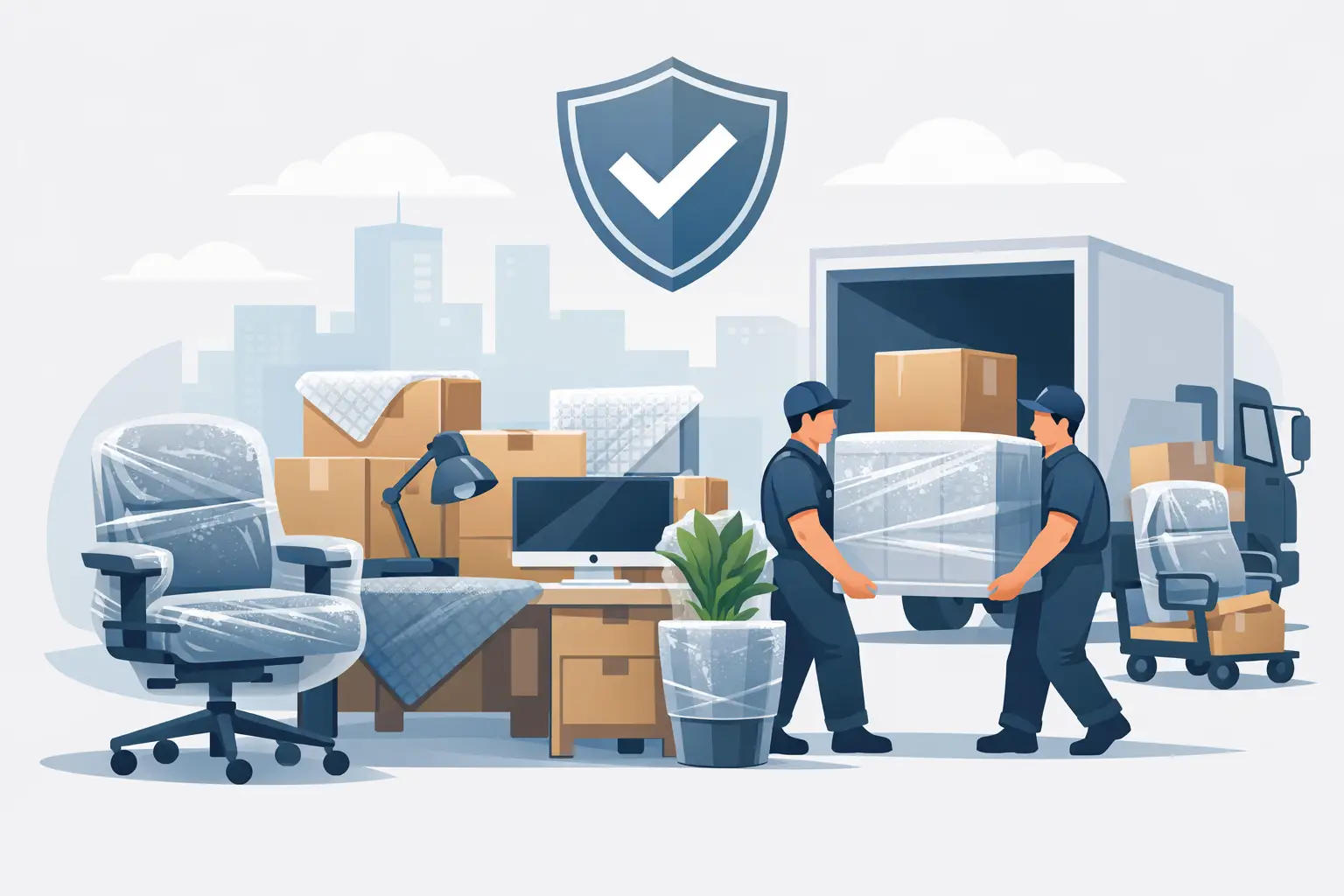
Office furniture protection reduces costly damage and downtime. Learn how careful packing, planning and trained movers keep workplace assets safe.

Evening removal services give households and businesses a flexible, insured way to move with less disruption, careful handling and clear planning for you