

by
Share
by
Share
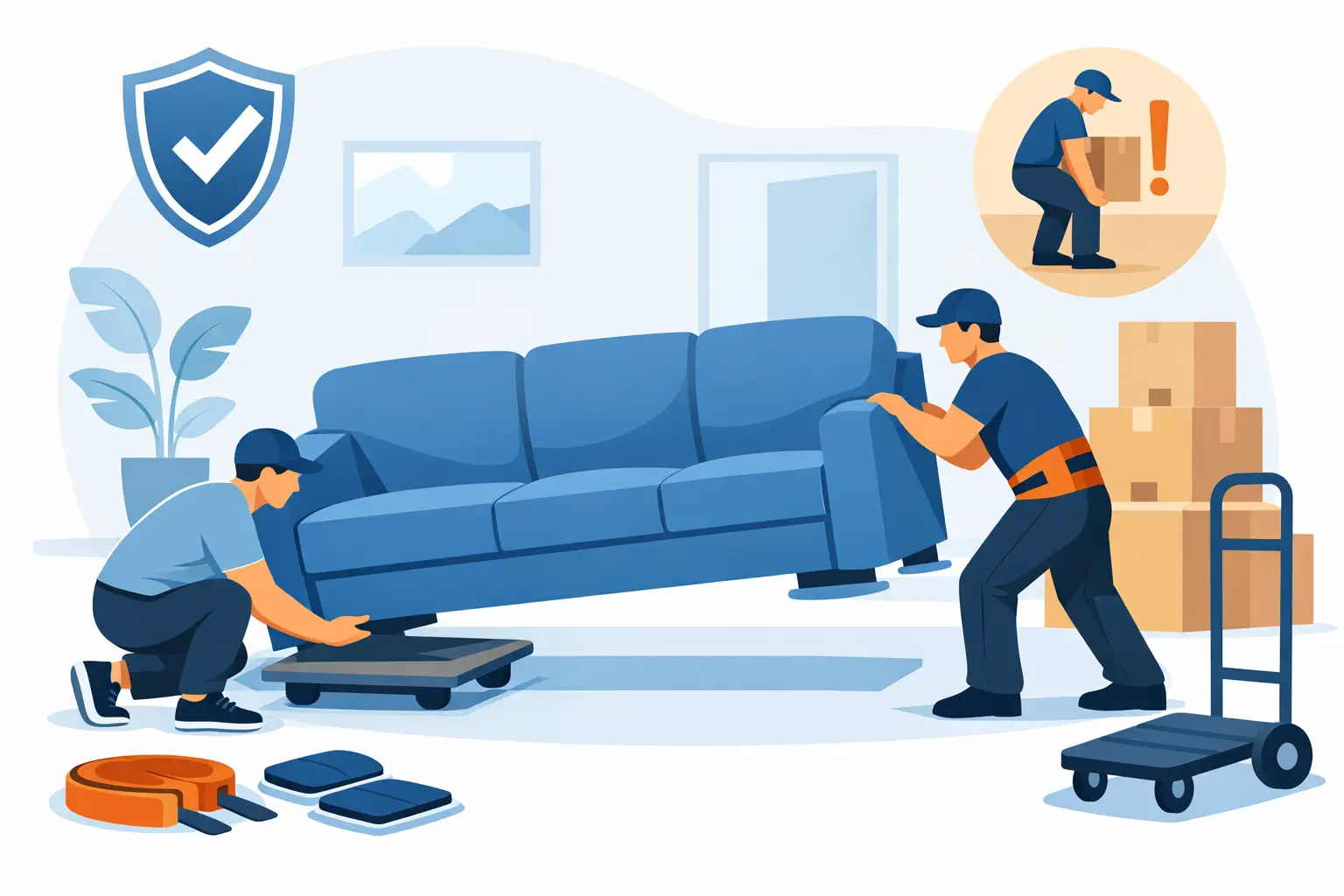
A solid oak wardrobe that will not clear the landing, a sofa wedged in a narrow hallway, or a washing machine on a flight of stairs can turn moving day into a real safety issue. Heavy furniture moving is not simply a matter of finding enough people to lift. It requires a clear route, suitable equipment, correct handling techniques and a team that knows when an item needs a different plan.
For homeowners and renters, the priority is usually clear: protect the people involved, prevent damage to the property and make sure valued belongings arrive in the same condition they left. A well-managed move removes much of the pressure before the lorry even arrives.
Why Heavy Furniture Moving Needs a Plan
The weight of an item is only part of the challenge. Its shape, balance and condition matter just as much. A compact chest of drawers may be awkward because it is top-heavy, while a large corner sofa can be relatively light but difficult to turn through doorways. Glass cabinets, antique furniture and fitted pieces add another layer of risk because a small knock can cause expensive damage.
The route needs attention at both properties. Measurements of doorways, staircases, lifts, hallways and tight turns can prevent a last-minute surprise. It is also worth considering outside access: parked cars, low branches, uneven paths, shared entrances and permit restrictions can all affect where a removals vehicle can stop and how far the team must carry an item.
Planning does not mean every move will be simple. Older homes often have narrow staircases, and some furniture was assembled in the room where it now sits. The value of planning is that these issues are identified early enough to arrange disassembly, extra handling support or an alternative route.
Prepare Heavy Furniture Before Moving Day
Preparation protects both the furniture and the people moving it. Start by deciding what genuinely needs to travel. Moving a damaged wardrobe or an unused exercise machine may cost more in time and handling than it is worth, particularly if access is difficult at the new property.
Empty drawers, cupboards and shelves before the move. Contents shift during lifting and transport, making furniture harder to control and putting strain on joints, runners and hinges. Remove loose shelves, detachable legs and cushions where practical, then keep screws and fittings in labelled bags secured to the relevant item.
Clean and inspect each piece before it is wrapped. Existing marks, chips or loose sections should be noted, especially for valuable or fragile furniture. Protective blankets, padded covers, corner guards and shrink wrap all have a role, but they are not interchangeable. A polished table needs protection from abrasion, while a glass display unit needs its doors secured and its vulnerable edges properly cushioned.
Do not rely on household tape directly against finished wood, leather or delicate veneers. Adhesive can mark surfaces or pull away a finish. Professional packing materials and careful wrapping are a safer choice for items you want to keep in excellent condition.
Know When Furniture Should Be Dismantled
Dismantling is useful when an item cannot safely pass through the available route, but it is not always the best answer. Flatpack wardrobes, bed frames and modular sofas are often designed to come apart. In contrast, older furniture, glued joints and certain specialist pieces can be weakened by unnecessary dismantling.
A trained removals team will assess whether taking an item apart reduces risk or creates it. Where dismantling is appropriate, each component should be protected, labelled and loaded so it can be reassembled efficiently at the destination. This is particularly helpful when you need beds, wardrobes or dining furniture ready to use soon after arrival.
Safe Lifting Is More Than Lifting Carefully
Attempting to move large furniture with friends can seem like a money-saving option, but it can become costly very quickly. Back injuries, crushed fingers, damaged stair rails and dropped furniture are common outcomes when people underestimate the load or lose communication mid-lift.
Safe handling starts with assessing the item and agreeing the route before anyone lifts. The team should know who is leading, where they are stopping and how the item will be turned. Loads should be kept close to the body, lifted using the legs rather than the back, and moved steadily rather than rushed. Hands and feet must remain clear of pinch points at door frames, stairs and vehicle ramps.
Some pieces should never be carried solely by hand. Piano moving, large safes, American-style fridge freezers, heavy stone tables and commercial equipment may need specialist equipment, additional trained handlers or a tailored transport plan. The right decision is not always to add more people. It may be to use a trolley, lifting straps, a stair climber, furniture sliders or a vehicle with a suitable tail lift.
Protect the Property as Well as the Furniture
A move should not leave scuffed walls, dented door frames or muddy flooring behind. Before heavy items are moved, protect vulnerable areas such as carpets, banisters, corners and entrance floors. This is especially worthwhile in rented homes, communal buildings and properties with recently redecorated interiors.
Weather also changes the plan. Rain can make paths slippery and damage unprotected upholstery or timber. Strong winds can make large, flat items difficult to control. A professional team will work safely around the conditions, using suitable covers and adapting the loading sequence rather than forcing a risky lift.
At the destination, rooms should be prepared before unloading begins. Decide where the largest pieces belong and make sure the route is free of boxes, pets and household traffic. Moving a heavy wardrobe twice because the room was not ready wastes time and increases the chance of damage.
Choosing a Professional Heavy Furniture Moving Service
The cheapest quote is not automatically the best value. Heavy items require enough trained staff, appropriate vehicles, protective materials and realistic time allowances. A quote that appears low because it excludes packing, dismantling, stairs, waiting time or insurance can create avoidable stress on the day.
Ask how the provider assesses access and item requirements. Clear questions about large furniture should result in clear answers about staffing, equipment, vehicle capacity and transit insurance. If you have photos or dimensions, share them during the quote process. Accurate information allows the moving team to arrive prepared rather than making assumptions.
A dependable service should also explain what is included. For example, loading and transport may be straightforward, while furniture assembly, packing, storage and disposal may need to be arranged separately. There is no single right level of support. A small flat move may only require collection and delivery, whereas a family home move can benefit from full packing, dismantling, transport and reassembly.
Packpoint Logistics plans moves around the access, furniture and timetable involved, with trained professionals, protective handling and flexible scheduling available where it helps reduce disruption. For busy households, that coordination can be as valuable as the lifting itself.
On the Day: Keep the Move Controlled
Once the team arrives, walk through the property together and point out the items needing particular care. Mention loose joints, fragile panels, difficult access, parking arrangements and anything that has changed since the quote. Good communication at this stage helps the crew set the right order for loading.
Keep children and pets away from active carrying routes. Avoid placing loose boxes in hallways, and leave the lifting to the people assigned to it. If an item feels unstable or the route proves tighter than expected, stop and reassess. Taking a few minutes to change the approach is far better than risking an injury or damaged possession.
When your furniture is delivered, check that large items are placed in the correct rooms before the vehicle leaves. Confirm that beds, wardrobes and other dismantled pieces are ready for reassembly if this has been booked. A controlled finish gives you space to settle in rather than facing another round of heavy lifting after the move.
Heavy furniture deserves more than a hopeful lift and a tight squeeze through the doorway. With early planning, suitable protection and capable hands, even the most awkward items can be moved safely, efficiently and with the care your home deserves.
STAY IN THE LOOP
Subscribe to our free newsletter.
Leave A Comment

Our guide to temporary storage solutions helps you protect belongings, choose the right space and plan a smooth home move with no unnecessary stress too.

Professional furniture assembly keeps your move on schedule, protects new pieces from damage and gives your home or workplace a safe, usable finish today.

Office furniture protection reduces costly damage and downtime. Learn how careful packing, planning and trained movers keep workplace assets safe.

Our guide to fragile item transport explains how to pack glass, artwork and electronics safely for a protected, well-planned home move across the UK today.