

by
Share
by
Share

A storage unit may look clean, dry and convenient, but storage security is what determines whether your belongings remain protected throughout the time they are away from you. Whether you are between homes, renovating, clearing a flat, relocating an office or holding business stock, the right facility should give you confidence that every item is accounted for, protected from unauthorised access and ready when you need it.
Security is not one feature on a checklist. It is the combination of the building, the access process, the people handling your items and the records kept during collection, storage and return. Here is what to check before placing household or business belongings into storage.
Start with the building and its surroundings
A secure storage facility begins before the entrance. Look at how the site is approached and whether the perimeter is properly controlled. Fencing, secure gates, good exterior lighting and a clearly managed entrance all make a practical difference. A building on a busy industrial estate is not automatically safer than one elsewhere, but it should never feel open to anyone who happens to pass by.
Inside, the premises should be clean, well maintained and organised. Poor upkeep can be a warning sign. Damaged doors, unlit corridors, cluttered access routes and units with signs of damp may indicate that security and general care are not being managed consistently.
For many customers, a purpose-built self-storage unit is the best fit because they need regular access. For others, especially during a house move or office relocation, managed storage can offer greater control. Your goods are collected, inventoried, stored by trained professionals and returned when required. The better option depends on how often you need to reach your belongings and how much handling you want to manage yourself.
Storage security depends on controlled access
Ask exactly who can enter the facility and how access is recorded. A good provider should have a clear answer, rather than simply saying that the site is secure. Entry may be controlled through key codes, key fobs, staff-managed reception, individual locks or a combination of these measures.
Individual unit access is particularly relevant for self-storage. You should understand whether your lock is unique to your unit, whether the facility retains an emergency key and what happens if a lock is damaged or lost. If other people need access, agree this in advance and avoid casually sharing codes or keys.
For managed household storage, ask who is authorised to request the release or delivery of your goods. This matters when several family members are involved in a move, or when a landlord, contractor or estate agent is present at a property. A straightforward authorisation process helps prevent confusion and protects against an item being released to the wrong person.
Businesses should take this a step further. A facilities manager may approve collection, while a department lead confirms the items required and a finance team manages the account. Clear named contacts and release instructions reduce the risk of delays, disputes and unapproved collections.
CCTV is useful, but it is not the whole answer
CCTV is a valuable deterrent and can support investigations if an incident occurs. However, cameras alone do not make a facility secure. Check whether cameras cover entrances, loading areas, corridors and external boundaries, and whether footage is monitored or retained for a reasonable period.
The strongest arrangements combine visible surveillance with controlled access, sensible lighting, trained staff and clear procedures. Security works best when there are several barriers to unauthorised entry, rather than one measure that can be bypassed.
Protect items before they enter storage
The condition of your belongings on collection day has a direct effect on their safety in storage. Packing is not just about fitting more into boxes. It prevents breakages, makes items easier to identify and reduces the chance of damage when goods are moved or stacked.
Use sturdy, correctly sized boxes and avoid overfilling them. Heavy items such as books should go into smaller cartons, while lighter bedding and clothing can be placed in larger ones. Wrap glassware, mirrors, screens and delicate furniture carefully, and label boxes with both their contents and the room they belong to. A label reading “kitchen” is helpful; “kitchen – everyday pans” is better when you need to retrieve something quickly.
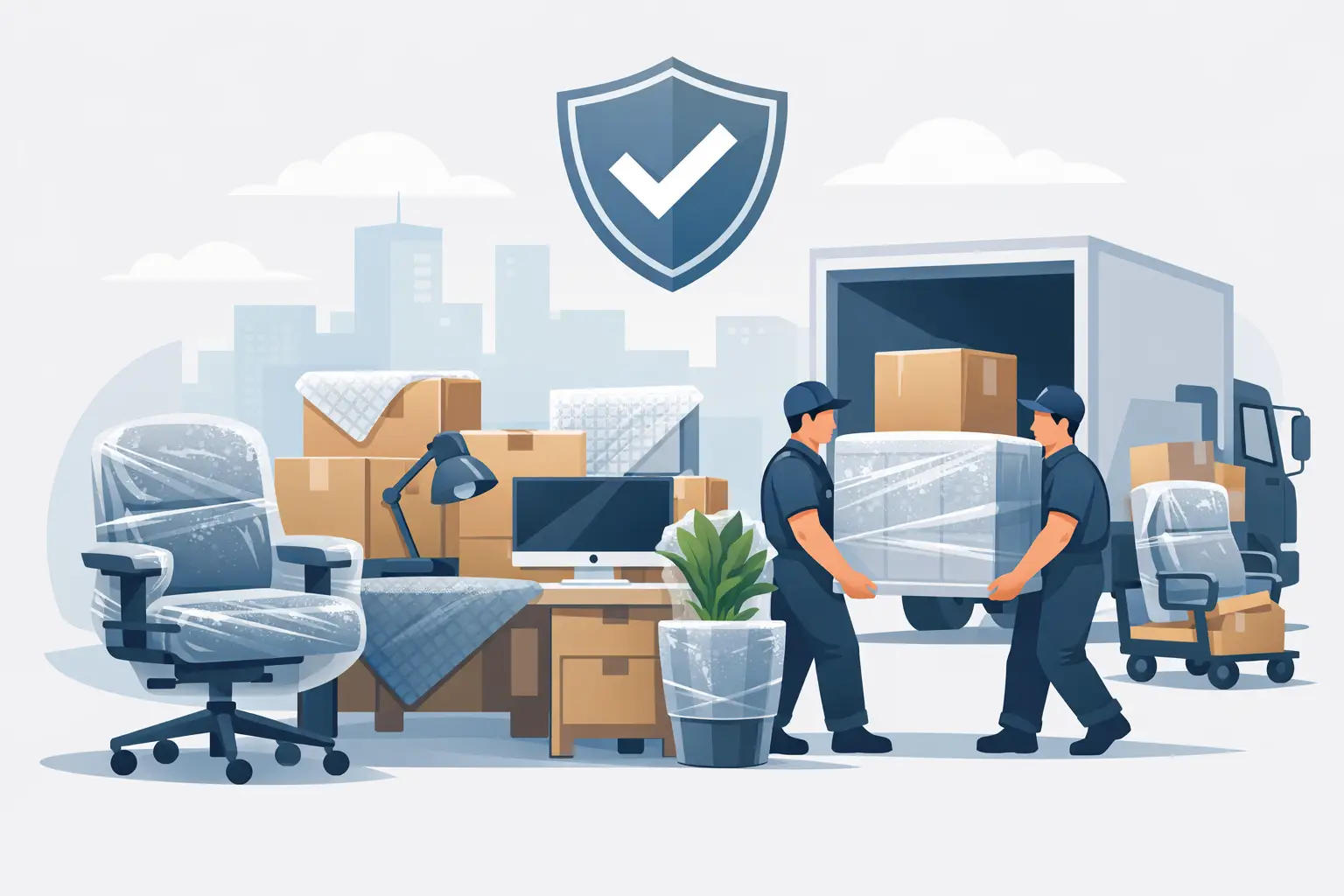
Furniture should be protected with suitable covers or wrapping, particularly upholstered pieces, wooden surfaces and items with glass panels. Appliances must be clean and fully dry before storage. Fridges and freezers need time to defrost, with doors secured slightly open if the manufacturer’s guidance allows, to prevent trapped moisture and unpleasant odours.
Avoid storing prohibited, hazardous or perishable items. This can include flammables, gas bottles, chemicals, illegal goods, food likely to spoil and anything that could create a fire, pest or contamination risk. If you are unsure about an item, ask before it is packed or collected. It is far easier to make the right arrangement at the start than to deal with a refused item on moving day.
Keep a clear inventory from collection to return
An inventory is one of the most useful yet overlooked parts of secure storage. It creates a record of what has been placed into storage, helps you locate individual items and provides reassurance if you need to discuss condition or cover later.
For a home move, list the major items and number every box. Take dated photographs of high-value belongings, including furniture, artwork, electronics, tools and jewellery. Keep digital copies in a place you can access even if your laptop or paperwork is in storage.
For commercial storage, the inventory should be more detailed. Record asset numbers, serial numbers, quantities, condition and the person responsible for approving collection or release. Office furniture may be simple to identify, but IT equipment, archived files, specialist tools and stock need tighter records. If operations are continuing during a phased move, a reliable inventory can save hours of searching and avoid unnecessary downtime.
Professional movers can support this process by documenting items at collection and handling them carefully through loading, transport and storage. Packpoint Logistics provides managed moving and storage support with trained teams, careful packing and transport arranged around your schedule.
Check insurance cover before assuming you are protected
Many people assume that a storage provider’s insurance automatically covers every item for its full value. That is not always the case. Cover can vary according to the service, the value declared, the type of goods, packing arrangements and the cause of loss or damage.
Before you commit, ask what cover is included, what exclusions apply and whether you need to arrange additional protection. Your home insurance policy may include belongings in storage, but the cover may have time limits or conditions. Business policies can also differ substantially, particularly for stock, equipment and documents.
Be accurate when declaring values. Underestimating items to reduce cost can leave you underinsured if something goes wrong. On the other hand, there is little benefit in paying for cover far above the genuine replacement value. Receipts, photographs and your inventory will help support any claim if it is needed.
Plan collection and return with the same care
Storage is often used when plans are changing: completion dates move, building works overrun or an office needs to vacate before its new space is ready. A secure service should also be dependable when it comes to timing.
Confirm collection and delivery windows, any notice required to access or release goods, and whether evening or weekend work is available. This is especially valuable for businesses that cannot afford to interrupt normal trading hours, and for families trying to coordinate keys, cleaners, contractors and moving day.
When your belongings are returned, check the inventory as items are unloaded. Raise any concerns promptly and keep the paperwork until everything has been unpacked and inspected. This is not about expecting a problem. It is a sensible handover process that keeps everyone clear on what has been delivered.
Choose reassurance over vague promises
The lowest storage price is not always the best value if it leaves unanswered questions about access, handling, insurance or the condition of the premises. Ask for clear information, inspect the facility where possible and make sure the service suits the way you will actually use it.
Your belongings may represent a family home, years of business investment or the equipment needed to keep work moving. Choose storage security that is backed by careful planning, professional handling and a provider prepared to explain exactly how your items will be protected from collection through to return.
STAY IN THE LOOP
Subscribe to our free newsletter.
Leave A Comment

Our guide to temporary storage solutions helps you protect belongings, choose the right space and plan a smooth home move with no unnecessary stress too.

Professional furniture assembly keeps your move on schedule, protects new pieces from damage and gives your home or workplace a safe, usable finish today.
Office furniture protection reduces costly damage and downtime. Learn how careful packing, planning and trained movers keep workplace assets safe.

Our guide to fragile item transport explains how to pack glass, artwork and electronics safely for a protected, well-planned home move across the UK today.